
An easy way to improve diabetes care: Connect your doctors
For people with diabetes, eye health and overall health are closely connected. That’s why it’s key to coordinate care between eye care providers and primary care providers.
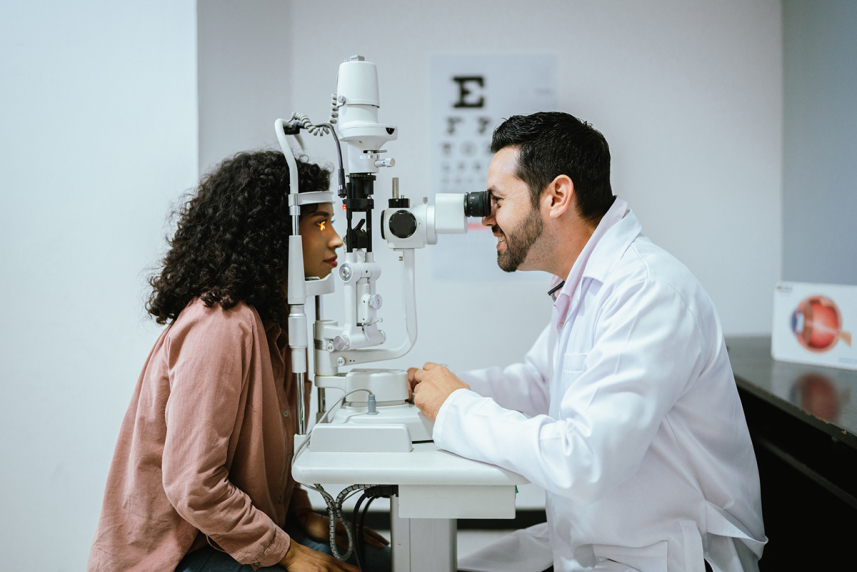
Diabetes care often involves more than one provider. A primary care provider helps manage blood sugar, medications and overall health. Eye doctors focus on vision and eye health.
These visits may seem separate, but it’s important to connect them. Changes in the eyes can reflect how diabetes is being managed over time.
When providers share this information, it’s easier for them to adjust care plans.
Small changes can be caught early and may help delay serious complications of diabetes, such as vision loss and heart disease. Here’s what to know.
How diabetes affects overall health
Diabetes occurs when blood sugar is too high. Type 2 diabetes is the most common form of the disease. More than 90% of people in the U.S. who have diabetes have Type 2.1
Diabetes can be diagnosed with a blood test known as an A1C test.2 This test shows average blood sugar levels over the past 2 to 3 months.2 It can also be used to see how a treatment plan is working.2
Without good blood sugar control, diabetes can harm overall health. It may cause damage to the heart, kidneys, eyes and more. Diabetes treatment often includes medication and lifestyle changes, such as eating a healthy diet and exercising.1
A big part of diabetes care is monitoring blood sugar levels to make sure they aren’t too high.
You’re not alone with vision loss
Find free workshops, practical advice and one-on-one support to help adapt to low-vision with confidence. Get started.
Why eye exams are important for people with diabetes
High blood sugar over time can damage small blood vessels in the body.3 This may not cause noticeable symptoms at first. That’s why regular eye exams are so important.4
Eye exams can catch early signs of diabetes-related eye disease, including:
- Diabetic retinopathy. This condition affects small blood vessels in the retina, the light-sensitive layer of the eye. It can cause vision loss and blindness in people with diabetes.4
- Diabetic macular edema. This is a complication of diabetic retinopathy. It happens when blood vessels leak fluid into the macula, the center part of the retina that helps with sharp vision.5
- Glaucoma. This condition damages the optic nerve, often due to high pressure in the eye. It can lead to vision loss and is more common in people with diabetes.3
- Cataracts. This condition causes cloudy vision. Cataracts are more common in people with diabetes.3
Due for an eye exam? Schedule it with a UnitedHealthcare Vision Network provider. Search now.

The easiest way to stock up on contacts
Find dailies, monthlies, extended wear and more, from all the top brands.
How provider teamwork can improve diabetes care
Comprehensive eye exams do more than test vision. Eye care providers can sometimes find signs of health conditions, including diabetes.6
Eye exams can also uncover useful information about ongoing diabetes care. That’s why it’s helpful when an eye doctor shares results with a patient’s primary care provider.
When eye doctors and primary care providers work together to coordinate care, they can:
- Connect eye health to lab results. Blood sugar checks show current levels, while A1C tests show trends over time.2 Eye exams can provide clues about blood vessel health related to diabetes.3
- Guide treatment updates. Early signs of eye disease may mean that changes are needed in the diabetes treatment plan. This may include adjusting medications or monitoring routines.
- Catch risks earlier. Early treatment can help lower the risk of diabetes complications, including vision loss.4
How to coordinate diabetes care
Coordinated diabetes care starts with practical steps. Here’s how to stay on track:
- Schedule regular eye exams. Most people with diabetes should have a dilated eye exam at least once a year.4 Some may need more frequent visits based on their results.4
- Share results between providers. Ask the eye doctor to send results to the primary care provider or bring a copy to visits.
- Keep key health details handy. Record A1C results, medications and any vision changes.
- Report vision changes promptly. Let all providers know about blurry vision, dark spots or trouble seeing at night.
These steps can reduce gaps between appointments and support more informed, timely care.
Diabetes care works best as a team effort. Even simple actions like bringing a copy of the eye exam report to a primary care visit can make a meaningful difference.
Stay on top of diabetes care with a UnitedHealthcare Vision Network provider. Search now.
Sources
- Type 2 diabetes Cleveland Clinic, November 25, 2025
- What is the A1C test? American Diabetes Association
- Diabetic eye health (Eye health) American Diabetes Association
- Diabetic Retinopathy National Eye Institute (NIH), September 11, 2025
- Diabetes-related macular edema American Diabetes Association
- See the full picture of your health with an annual comprehensive eye exam American Optometric Association