What’s the difference between low vision and blindness?
Learn how both conditions are defined and what can cause vision loss — plus what tools and resources may help support daily life
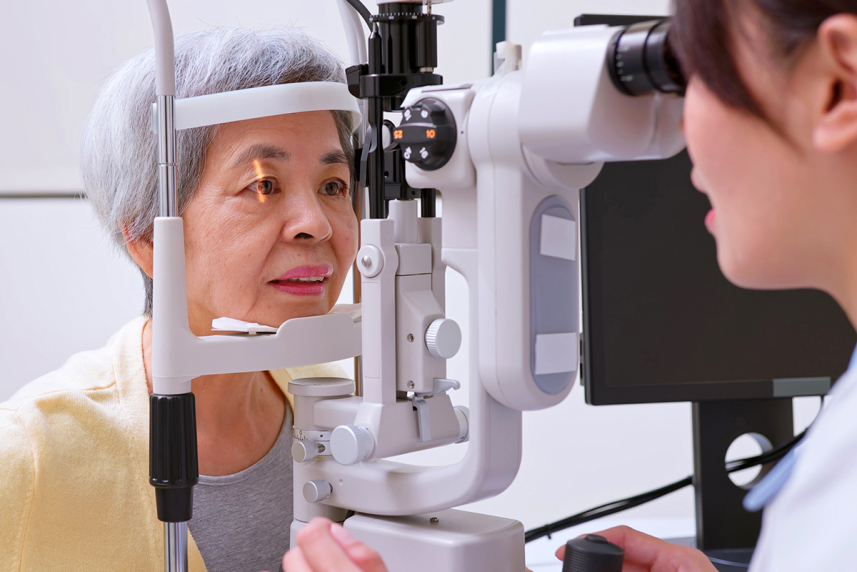
Vision loss can look different from person to person. Some people may have trouble reading small print or recognizing faces. Others may have very little vision or no vision at all.
Low vision and blindness are two terms used to describe different levels of vision loss. Knowing the difference can help explain what someone may be experiencing and what types of support may be available.
What is low vision?
Low vision means vision loss that makes everyday activities difficult. It can’t be fully corrected with glasses, contact lenses, medicine or surgery.1 And it can affect activities such as reading, driving, recognizing faces or seeing screens clearly.
But someone with low vision may still be able to see shapes, colors, light or objects at certain distances.
Based on the disease, or condition affecting the eyes, low vision can affect different parts of the field of vision. For example, central vision loss can make it harder to see things directly in front of the eyes. Peripheral vision loss can affect the ability to see things to the side. Some people may have blurry vision or trouble seeing in low light.
These changes can make some everyday tasks harder, such as reading labels, preparing meals or using the phone.
What is blindness?
Blindness is a more severe type of vision loss. It is often based on how well a person can see with their better-seeing eye, even with glasses or other treatment.
The Centers for Disease Control and Prevention (CDC) defines blindness as vision of 20/200 or worse in the better-seeing eye.2 In 2024, about 706,000 people in the U.S. had vision loss that met this definition.3
Being considered blind does not always mean seeing nothing. A person may still see light, shapes or movement. Some people may have little or no useful vision.
The term “legal blindness” has a specific meaning. It may be used to decide if someone can get certain government programs or services such as U.S. social security and state programs. But legal blindness does not always mean a person has no vision.
The easiest way to stock up on contacts
Find dailies, monthlies, extended wear and more, from all the top brands.
How is vision loss measured?
An eye care provider can use several tests to check vision. One common test is a visual acuity test. It checks how clearly a person can see letters or symbols from a set distance.
Visual acuity is often shown as a fraction, such as 20/20. The first number is the testing distance. The second number shows how far away a person with standard vision could see the same details.
An eye care provider may also check the visual field. This shows how much a person can see from side to side without moving their eyes. Other tests can check color vision, contrast and how the eyes respond to light.
These tests can help show the type and level of vision loss. A dilated eye exam can also help find what is causing the vision changes.
Have concerns about aging eyes? An eye care provider can help. Connect with a provider today.
What can cause low vision or blindness?
Many eye conditions can cause serious vision loss.4 Common causes include:
- Age-related macular degeneration
- Cataracts
- Diabetic retinopathy
- Glaucoma
Eye or brain injuries and some genetic conditions can also cause vision loss.5
Some causes can be treated or managed. Finding an eye condition early may help protect vision. Regular eye exams can help find changes before symptoms appear.
What can help with vision loss?
Vision loss does not mean stop doing everyday activities. Tools, technology and services can make daily tasks easier.
Simple changes can help, such as using brighter lights, larger print or a magnifying glass. Phones, tablets and computers also have features that can make text larger, improve contrast or read information aloud.
Vision rehabilitation can provide more support. A specialist can teach skills and tips for everyday tasks, such as using magnifying devices and technology and moving safely around the home.
Organizations such as Hadley also offer helpful resources for people adjusting to vision loss. Its programs can help with everyday skills, technology and other ways to stay independent.
Low vision support is just a click away — visit the Hadley website to see how these programs can help.
When should vision changes be checked?
New or worsening vision changes should be checked by an eye care provider. An eye exam can help find the cause and show if treatment or other support may help.
Low vision and blindness can affect people in different ways. But vision loss does not mean giving up independence. The right care, tools and resources can help make everyday activities easier.
Sources
- Low vision National Eye Institute, November 25, 2025.
- Case definitions: Vision loss and blindness Centers for Disease Control and Prevention, May 15, 2024.
- VEHSS modeled estimates: Vision loss and blindness Centers for Disease Control and Prevention, August 12, 2026.
- About common eye disorders and diseases Centers for Disease Control and Prevention, May 15, 2024.
- Vision impairment and blindness MedlinePlus, November 13, 2024.