
Contact lens hygiene: Common mistakes (and how to avoid them)
Safe lens use starts with good habits and the right cleaning products. Here’s what to know.
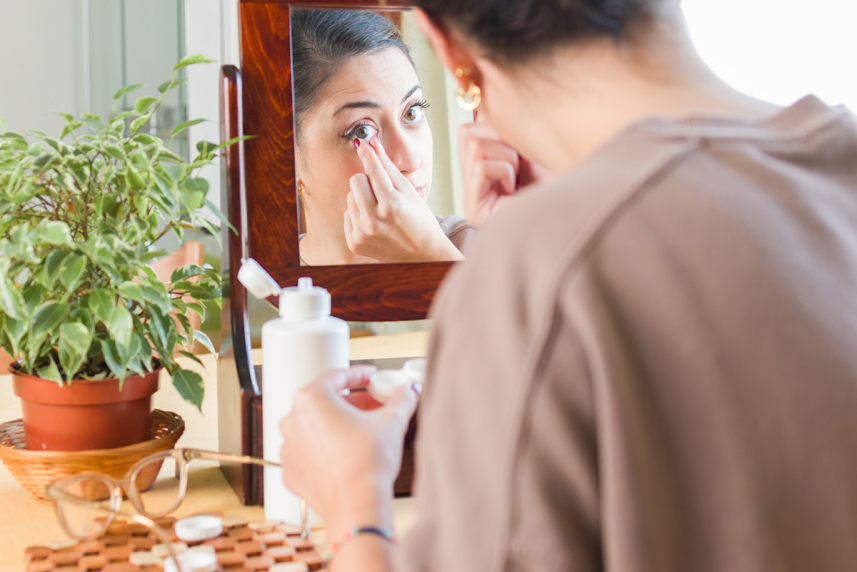
Wearing contact lenses can be comfortable and convenient, but only when cared for the right way. Many lens wearers get confused about how long to keep lenses, how to clean them or whether it’s safe to nap in them. But small mistakes can lead to bigger problems like irritation or even eye infections. This guide clears up common misunderstandings and explains the best ways to clean, store and replace lenses.
Reusing lenses or wearing too long
Contact lenses come with instructions that include how often to wear them. For instance, soft contact lenses may come as daily, two-week or monthly and hard contact lenses may be good for a year or more. Once that time is up, they should be replaced even if they still feel fine. Wearing lenses longer than advised may seem harmless, but it raises the risk of problems.
Old lenses can collect protein, dirt and germs that stick to the surface. The longer they are worn, the less oxygen reaches the eye. That can cause redness, dryness or even infection.1
If lenses ever feel sticky or cloudy, it’s a sign they need to be replaced right away. Even without pain or redness, the lens may already be damaged or coated with invisible debris. Keeping regular eye checkups helps make sure lenses still fit properly and eyes stay healthy.
Incorrect cleaning methods
Good lens cleaning habits matter. Always start with clean, dry hands. Soap and water are fine for washing your hands, but make sure they are fully dry before touching lenses. Tap water can contain tiny germs that cause serious eye infections.2 Even a quick rinse in the sink can introduce harmful bacteria. Using only the correct cleaning solution is the best protection.
A few key rules help keep lenses safe:
- Always use fresh solution every time lenses are cleaned or stored
- Never reuse or “top off” old solution
- Never rinse lenses or the case with tap water or saliva
- Clean the lens case regularly and let it air-dry upside down with the lids off
- Replace the case every few months
A fresh batch of contact solution each time you take out or put in contacts helps make sure they stay clean and are safe to wear. Mixing old and new solution weakens the disinfecting power and allows germs to grow.3
Comfort is key when it comes to contacts. Find your new favorite contacts now — and save 10%.

New frames. New you.
Browse the latest styles to find the perfect pair.
Sleeping or napping in lenses
It can be tempting to fall asleep while wearing lenses, especially after a long day. Unless they are made for extended or overnight wear, sleeping in them is unsafe.4 For example, monthly lenses are not always meant for sleeping. Always check the package or ask an eye care provider whether the lenses are okay to wear overnight.
When eyes are closed, less oxygen reaches the cornea, which is the protective cover on the front of your eye. And this makes it easier for germs to multiply and for the eyes to dry out. Even a short nap can increase the risk of infection. If tired, it’s best to remove the lenses, store them properly and put them back in after resting.
New cleaning and disinfection features that make lens care easier
Today’s contact lens care products are designed to support better hygiene and reduce the most common mistakes wearers make. These newer features can help keep lenses cleaner, clearer and safer to use every day.
Dual-phase cleaning solutions. Some new solutions use two layers that work together to remove germs and keep lenses moist.
Still need to tap your UnitedHealthcare Vision allowance for contacts and/or glasses? Consider ordering them from the same convenient online location. Shop now.
Fast disinfection formulas. New disinfecting liquids can kill harmful germs in about a minute.
Color-change freshness indicators. Some contact solutions use light dyes that fade over time to show when it’s no longer fresh.
Cases that detect tap-water contact. Updated lens cases can change color when they come in contact with tap water.
Self-cleaning lens cases. Some cases now include materials that help reduce surface germs between cleanings.
UV-C cleaning pods. Small UV-C devices can disinfect lens cases without heat or strong chemicals.
Hydrating recovery solutions. Certain formulas now include gentle ingredients that help calm dry or tired eyes after long wear.
Smart bottles that track lens age. Some care systems can send reminders about when lenses are ready to be changed.
Single-use travel kits. Travel kits with disposable cases and one-time solution packs help keep lens care clean and simple on the go.
Sources:
- Contact lens overwear syndrome Optometrists Network
- Healthy Habits: Keeping Water Away from Contact Lenses Centers for Disease Control and Prevention, May 27, 2025
- About Cleaning, Disinfecting, and Storing Contact Lenses Centers for Disease Control and Prevention, May 27, 2025
- Why You Shouldn’t Sleep With Contacts In Sleep Foundation, July 16, 2025