
Caring for eyes after lash lifts, tints or extensions
These beauty treatments can enhance appearance. But proper eye care is key to avoiding irritation, dryness, and infection.
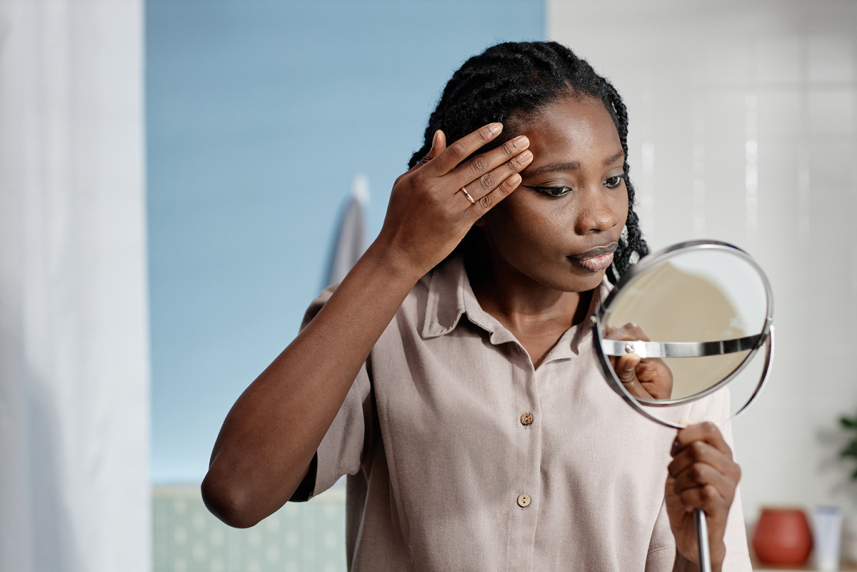
The eyes may be the focal point, but sometimes the lashes deserve a little attention, too. Lash lifts, tints and extensions have become popular ways to enhance your natural look by creating darker, fuller or more defined lashes with less daily effort.
Because the eyes are delicate, it's important to take extra care with any treatment used around them. The dyes, adhesives and other products used during these procedures may cause irritation, dryness or an allergic reaction. In some cases, they can also increase the risk of an eye infection.
Learning about the possible risks and following proper aftercare can help protect eye health. Choosing an experienced beauty professional and following care instructions after the procedure can also help lower the risk of problems.
Here's what to know about each of these treatments and simple steps that can help keep the eyes healthy.
Why eye care matters after any beauty treatment
The skin around the eyes is thinner and more sensitive than the rest of the skin on the face or body.1 So it’s especially important to treat this delicate area with care.
If a person wants to tint their lashes or extend them, it’s wise to consider going to a salon with a good reputation. And one that specializes in these procedures.
Here’s why. Many lash treatments use chemicals, dyes or adhesives that can affect the area around the eyes. That can irritate the eye, especially if a person is allergic. Sometimes it can lead to infections.
Most eye care providers warn people away from these beauty treatmentsor at least from doing them often. But like much in life, moderation and being cautious can go a long way toward preventing serious consequences like eye infections or even vision loss.
Here’s what to know about each of these procedures and some general tips.
Lash lifts
What they are: Lash lifts make your natural eyelashes longer and fuller. A beauty salon expert applies a mold to the eyelid to keep lashes in place. Then they apply solutions to the eyelashes to make them curl. In a way, a lash lift is like a perm. It takes about 30 or 45 minutes for the whole procedure. And like a perm, lash lifts eventually grow out.
Stay on top of eye health with an in-network provider. Search for an eye care provider now.
What to know: These solutions contain chemicals,and people can have allergic reactions to them. They can also cause infections to the eye if people don’t keep the area clean after the procedure. Signs of an allergic reaction include:
- Redness
- Swelling
- Rash
How to do one safely: Go to a licensed andexperienced beauty technician. Ask for a patch test first on part of the eyelid to check for allergic reactions.

New frames. New you.
Browse the latest styles to find the perfect pair.
Lash tints
What they are: Dyes applied to the eyelashes to make them appear darker. The effects usually last a few weeks.
What to know: Only silver nitrate has been approved by the FDA for use on lashes and eyebrows.2 But many places use hair dye or other chemicals that can cause an allergic reaction. If these chemicals get into the eye, they can irritate it or cause chemical conjunctivitis. Signs include:
- Redness
- Swelling
- Pain
Tinting lashes too often can cause eyelashes to fall out.
How to do one safely: Again, go to a licensed and experienced beauty technician. It’s a good idea to check if they use silver nitrate for the tint. Ask for a patch test to check for allergic reactions.
Eyelash extensions
What they are: Think of them as similar to hair extensions. Synthetic eyelashes are glued onto a person’s natural eyelashes to create fuller, longer eyelashes.3
What to know: This procedure can take several hours. And it has to be repeated every two months or so.3 The lashes themselves may cause people to blink less or not close their eyes completely as they sleep. They may also block the tear glands. That can lead to dry eyes or make the condition worse.4
The glue used on the lashes can cause allergic reactions and infections. It can also cause keratitis, an inflammation of the cornea.4 The signs of this are:5
- Redness
- Pain
- Tears or discharge from the eyes
- Blurry vision
Due for an annual eye exam? Schedule it with a UnitedHealthcare Vision Network provider. Search now.
How to do one safely: Avoid glues that contain formaldehyde and ask for oil-based removers. Some beauty technicians tell people not to use warm water around the eyes to avoid removing the glue. However, it is important to practice good eye hygiene to avoid infections, so consider asking the beauty technician for a way to keep the eyelids clean.
Protecting the eyes and vision
Beauty treatments can change appearance, but protecting eye health should always come first. If people notice redness, swelling or feel pain, they should see their eye care provider. Eye care providers can treat the infections with antibiotics. And in the case of eyelash extensions, remove them.
Mascara, eyelash curlers and eye makeup can also create fuller-looking lashes without some of the risks linked to lash treatments.
For those who choose a lash lift, tint or extensions, selecting a licensed and experienced beauty technician or salon is important. Asking about the products being used and the recommended aftercare can also help protect eye health.
Sources:
- Best Practices for Maintaining the Appearance of the Undereye Area American Society of Plastic Surgeons, February 6, 2026
- Regulatory Status of Color Additives U.S. Food and Drug Administration, March 26, 2026
- How to Use Cosmetics Safety Around Your Eyes American Academy of Ophthalmology, August 20, 2024
- Beauty vs. Health – How Eyelash Extensions May Affect Dry Eyes Disease Journal of Clinical Medicine, May 25, 2024
- Keratitis Mayo Clinic, July 2, 2024